
"Do not conform to the pattern of this world, but be transformed by the renewing of your mind." Paul wrote that line to a church nearly two thousand years before anyone had a word for a neuron. He didn't have a scan of the brain to point to. And yet the instruction he gave — that the mind isn't fixed, that it can be renewed — turns out to echo what neuroscientist Dr. Caroline Leaf describes: a brain that changes in response to what we repeatedly think.
A tree growing inside your thoughts
Dr. Caroline Leaf, a cognitive neuroscientist, has spent her career studying what a thought physically is. Her answer, in her own words: "A thought has all these branches, which are memories like a tree has branches." When you think something — especially when you think it repeatedly — your brain responds electromagnetically, chemically, and genetically, growing tiny branch-like structures called dendrites. A thought you return to again and again isn't just a mental habit. It's a small tree, physically built and physically strengthened, branch by branch, inside your brain.
That image does something a list of neuroscience facts can't: it makes renewal visible. A thought pattern you've been feeding for years — I'm not enough, there's never enough time, this is just how I am — isn't an abstraction to argue yourself out of in a single moment of willpower. It's a tree that grew because it was watered, over and over. Which means the way out isn't a single decision either. It's what you choose to water instead, sustained long enough for a new tree to take root.
Renewal was never meant to be instant
This is where Scripture and neuroscience land in the same place without either one borrowing from the other. Paul doesn't say the mind is transformed by a single insight — he says it's renewed, present tense, ongoing. As Dr. Leaf describes it, something structurally similar happens in the brain: real change in its wiring takes sustained repetition, not a single good day. Neither the biblical instruction nor the biological process was ever going to be instant, and that's not a flaw in either one. It's simply what renewal looks like when it's real instead of cosmetic.
This magazine has already covered, in depth, the practical side of catching an unwanted thought in the moment (Dr. Amen's method) and the sustained process of replacing it over weeks (Dr. Leaf's own Neurocycle). This piece isn't meant to repeat either — it's meant to name what both of them are actually doing: renewal, the kind Paul described, happening at the level of a literal, physical tree inside your mind.
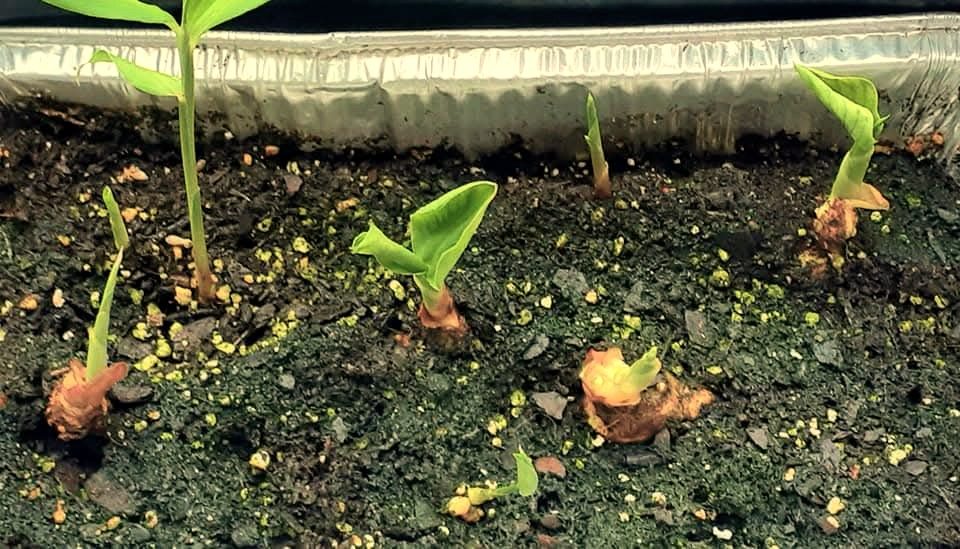
Three new habits to renew your mind
Small, repeated choices are what grow a new tree. A few places to start:
A thought you return to again and again isn't just a mental habit. It's a small tree, physically built and physically strengthened, branch by branch, inside your brain.
- Name the thought before you argue with it. Before trying to replace an old pattern, simply notice it and say what it is — out loud or in writing. You can't renew what you haven't first recognized.
- Choose one replacement thought and repeat it on purpose. Not a vague affirmation — something specific and true you can return to deliberately, every time the old pattern shows up, for weeks rather than days.
- Protect a few quiet minutes daily to let a good thought take root. Prayer, journaling, or simply sitting in silence with a single verse gives a new thought the uninterrupted repetition it needs to become the tree that's actually still standing.
What this means for you
You are not stuck with the mind you have today. That isn't wishful thinking — it's what a two-thousand-year-old letter and modern research on neuroplasticity, working from entirely different starting points, both point toward. Renewal is slower than we'd like it to be. It's also, genuinely, always available.