1. Count your blessings.
In a well-known experiment, college students who wrote down things they were grateful for each week felt better about their lives and were more optimistic about the week ahead than students who listed daily hassles. The effect on physical health was less clear: fewer physical complaints showed up in one of the study's three experiments, not in all of them. Your grandmother didn't need a study to know it was worth doing.
Scripture puts it plainly:
“Give thanks in all circumstances; for this is God’s will for you in Christ Jesus.”1 Thessalonians 5:18, NIV
2. Chew your food slowly.
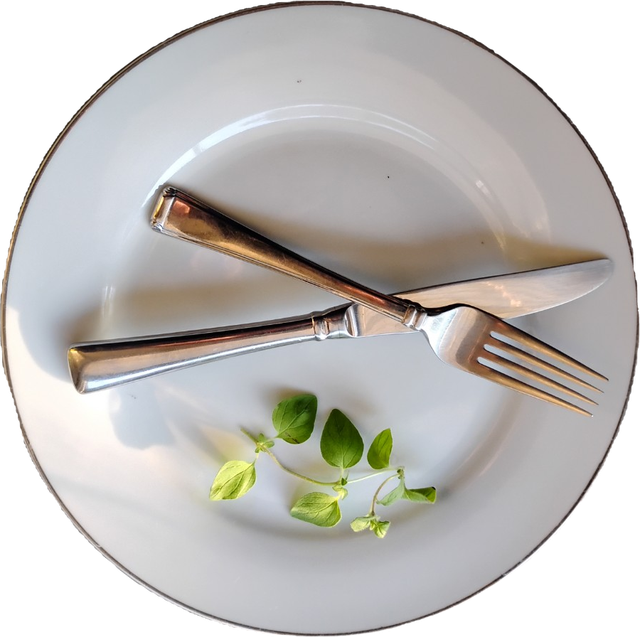
In a small study of 21 adults eating pizza, people who chewed each bite 40 times felt less hungry and less preoccupied with food afterward than when they chewed 15 times. Some gut hormones rose more after the meal, and ghrelin (the hormone that drives hunger) only trended lower. The study did not show that people ate less. Even so, slowing down gives your body time to tell you it has had enough.
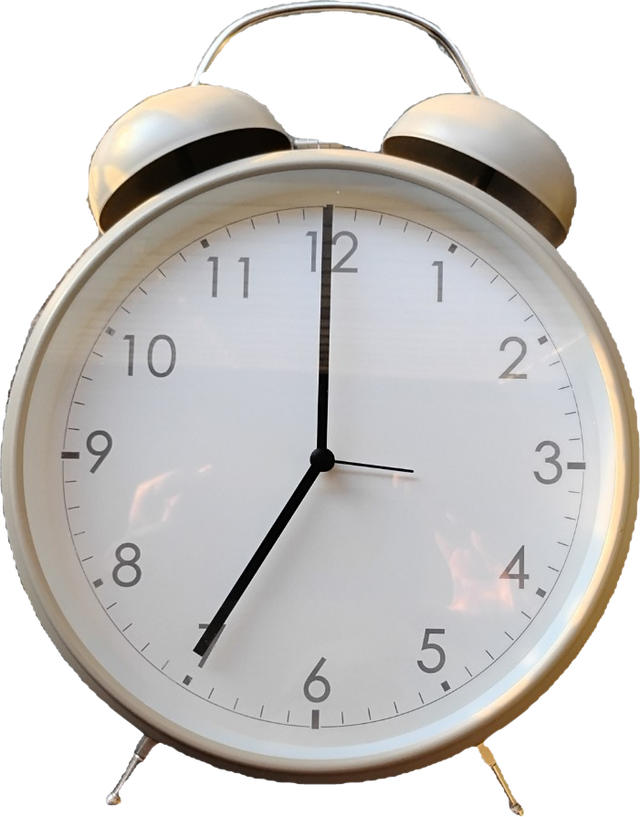
3. Haste makes waste.
In a lab study of 42 university students, stress alone had a surprisingly small effect on puzzle-style decisions. When stress came with time pressure, decision quality dropped, and higher cortisol went with a bigger drop. It is one small study, but it fits the old saying: feeling rushed is hard on good judgment. Slowing down isn't wasting time. It may be protecting it.
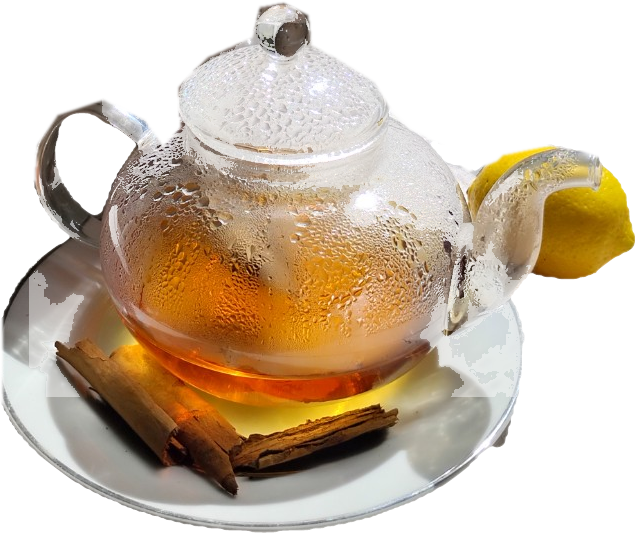
4. A little cinnamon tea for cramps.
In a randomized trial of 114 college women with painful periods, cinnamon capsules eased pain better than a placebo; ibuprofen worked somewhat better than cinnamon. The study used capsules, not tea, and it is a single trial, so it is a hopeful sign rather than a final word. A warm cup of cinnamon tea is a comfort grandmothers have long offered.
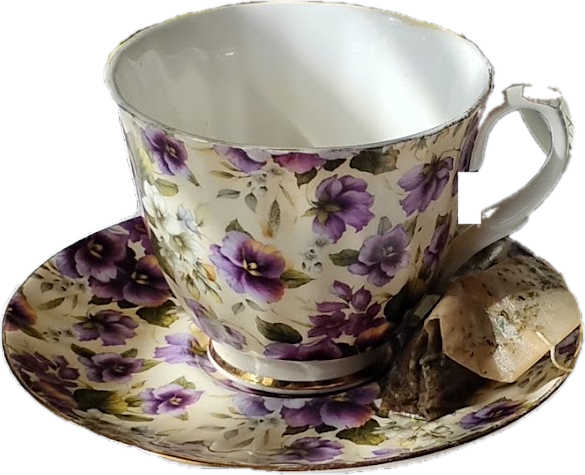
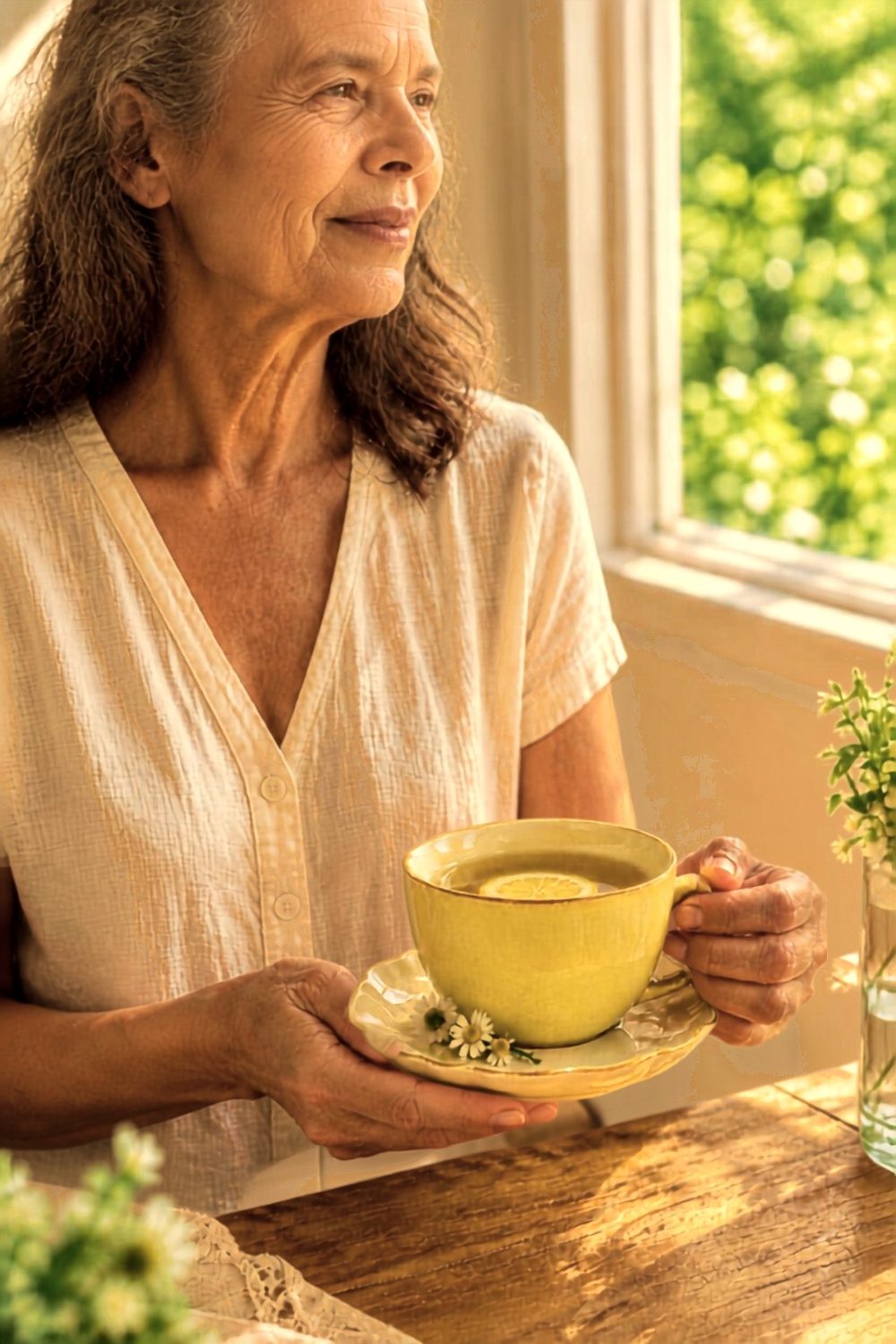
5. Drink your chamomile.
A 2024 review of 10 clinical trials (844 participants) found that nine reported less anxiety with chamomile. The results were clearest in people with diagnosed generalized anxiety and in women with menstrual-related or postmenopausal anxiety, and they were mixed in other groups. The authors call for larger, better-designed studies, and most trials used extracts or capsules rather than tea. Grandmothers also served chamomile for an upset stomach; the research on that is thinner.